

Located In:
Tauranga and Bay of Plenty
Lower Back Pain
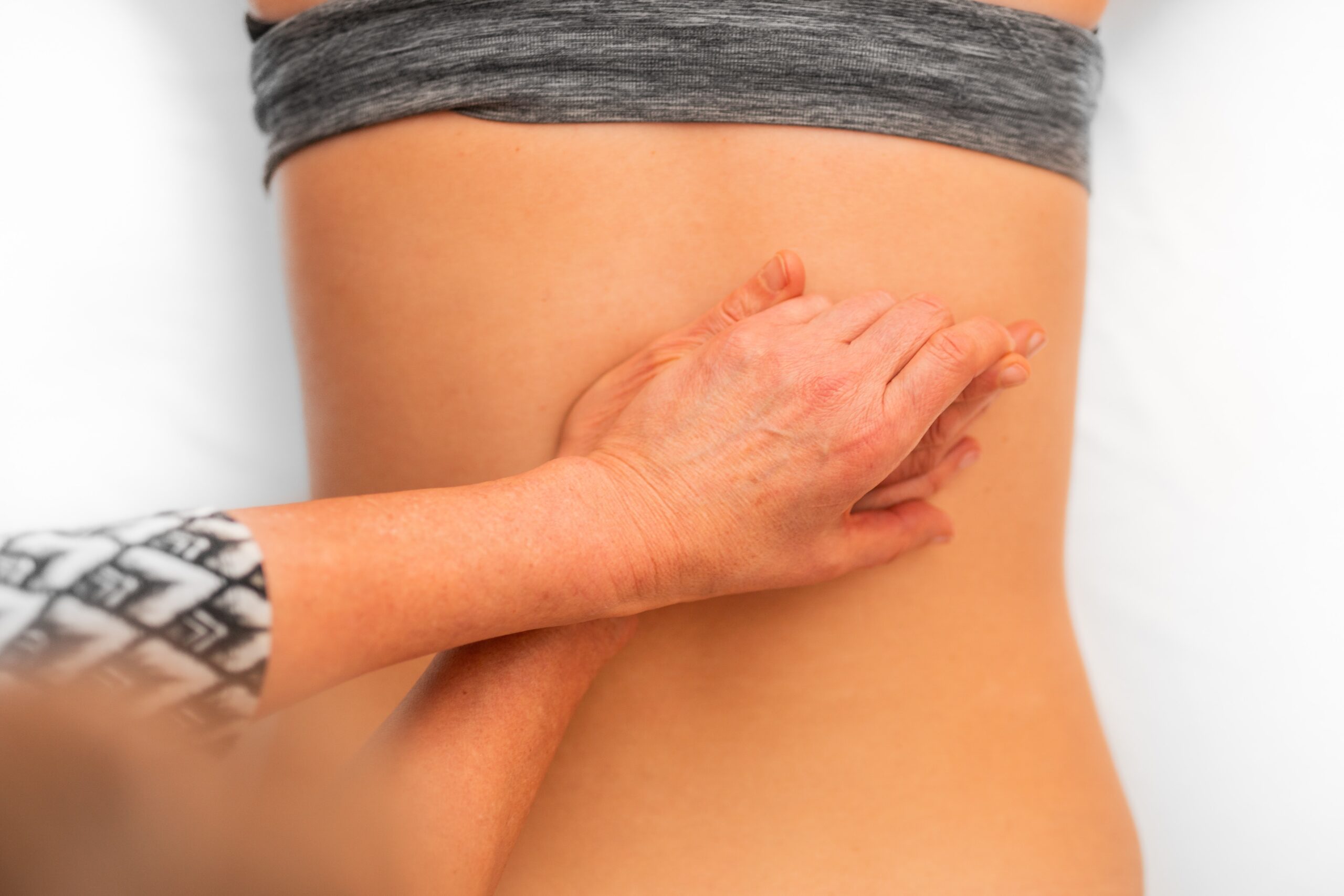
Here’s what you need to know:
Causes of Lower Back Pain
Lower back pain can be caused by a variety of factors, including:
- Muscle or ligament strain: This is the most common cause of lower back pain, and it usually occurs from lifting something heavy or twisting the back awkwardly.
- Herniated disc: A herniated disc occurs when the soft inner part of the disc pushes through the tougher outer part and irritates nearby nerves, causing pain.
- Spinal stenosis: This is a narrowing of the spinal canal that puts pressure on the spinal cord and nerves, leading to pain and numbness.
- Degenerative disc disease: This condition occurs when the discs between the vertebrae in the spine break down over time, causing pain and stiffness.
- Sciatica: Sciatica is a type of lower back pain that radiates down the leg and is caused by pressure on the sciatic nerve.
Symptoms of Lower Back Pain
The symptoms of lower back pain can vary depending on the cause, but common symptoms include:
-
- Pain that is dull or sharp, constant or intermittent.
-
- Stiffness or decreased range of motion.
-
- Numbness or tingling in the legs.
-
- Muscle spasms.
-
- Pain that worsens with certain activities, such as bending or lifting.
Treatment Options
Treatment for lower back pain depends on the cause and severity of the pain. Here are some treatment options:
- Physiotherapy: Physio can help relieve lower back pain through exercises and stretches that strengthen the muscles and improve flexibility.
- Medication: Over-the-counter pain relievers such as ibuprofen or acetaminophen can help relieve mild to moderate lower back pain. Prescription medication may be necessary for severe pain.
- Hot or cold therapy: Applying heat or cold to the affected area can help reduce inflammation and relieve pain.
- Surgery: In rare cases, surgery may be necessary to relieve lower back pain, particularly if it is caused by a herniated disc or spinal stenosis.
Prevention Strategies
Preventing lower back pain is often the best way to avoid experiencing it in the first place. Here are some strategies you can use to prevent lower back pain:
- Maintain good posture: Sitting and standing with proper posture can help prevent strain on the lower back muscles.
- Exercise regularly: Regular exercise can help keep the muscles in the lower back strong and flexible, reducing the risk of injury.
- Lift properly: When lifting heavy objects, lift with your legs, not your back.
- Maintain a healthy weight: Excess weight puts added strain on the lower back muscles and can increase the risk of injury.
- Stretch before and after exercise: Stretching before and after exercise can help prevent muscle strain and injury.
When to See a Doctor or Physio
Most cases of lower back pain will resolve on their own with conservative treatment. However, if you experience any of the following symptoms, you should see a doctor or Physio:
- Severe pain that doesn’t improve with rest or medication.
- Numbness or tingling in the legs or feet.
- Weakness in the legs.
- Loss of bladder or bowel control.
In conclusion, lower back pain can be caused by a variety of factors and can vary in severity. Understanding the cause of your lower back pain and utilising appropriate treatment and prevention strategies can help you manage the pain and prevent it from occurring in the first place.
If you have ongoing back pain issues or would like to get the advice of a Physio or Exercise Physiologist, book an appointment today!